
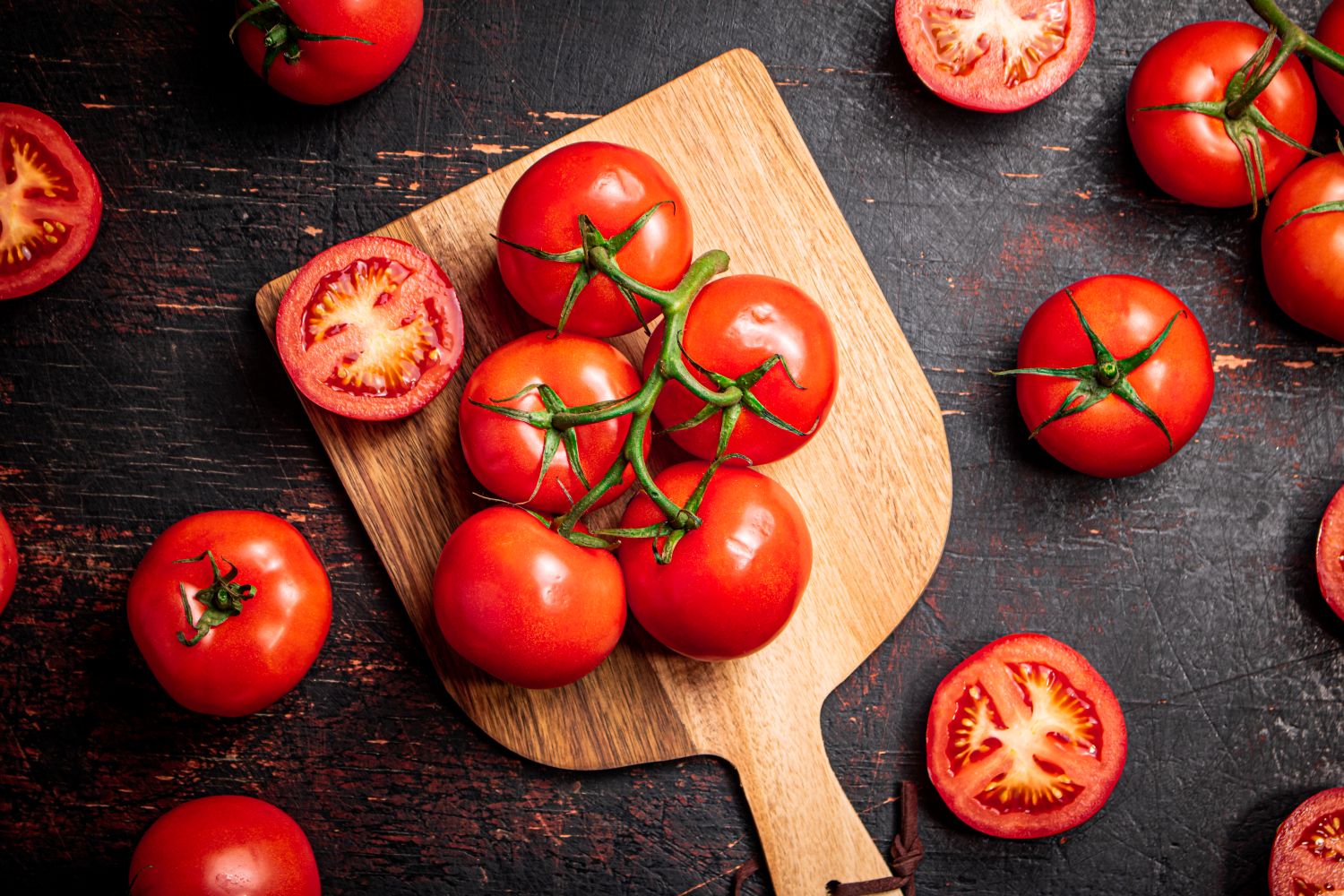
Tomatoes, often hailed as the crown jewel of culinary ingredients, offer an incredible range of flavors and textures that elevate dishes from simple salads to robust sauces. Understanding their rich history and diverse types is essential, as it sets the stage for exploring classic and innovative salad recipes, homemade sauce techniques, and creative cooking methods. Discover how this versatile fruit not only enhances our meals but also contributes to our health with its remarkable nutritional benefits.
The History of Tomatoes
Originating from the Andean region of South America, tomatoes were cultivated by the Aztecs and subsequently disseminated globally following the Spanish colonization.
Initially introduced to Europe in the 16th century, tomatoes encountered skepticism, primarily due to their resemblance to poisonous nightshades. This hesitance was further intensified by familial warnings regarding their potential toxicity, leading individuals to believe that the consumption of tomatoes could result in illness.
By the late 18th century, acceptance of tomatoes gradually increased, driven by culinary experimentation. Significant advancements in cultivation emerged, including the development of disease-resistant varieties in the 19th century and the introduction of greenhouse methods in the 20th century. These innovations notably enhanced both yield and quality across Europe.
Types of Tomatoes
Tomatoes are classified into several varieties, including cherry, heirloom, and beefsteak, each providing distinct flavors and applications in culinary practices.
Additionally, grape tomatoes are noteworthy for their sweet taste and firm texture, rendering them ideal for snacking or incorporating into salads. Roma tomatoes, characterized by their dense flesh, are particularly suited for sauces and pastes due to their low moisture content.
Furthermore, green tomatoes, which are unripe, present a tangy flavor and are excellent choices for frying or pickling.
Each variety of tomato can enhance dishes in unique ways, making it essential to align their characteristics with specific recipes to achieve optimal flavor.
Tomatoes in Salads
Fresh tomatoes enhance salads with their vibrant colors and flavors, serving as a versatile ingredient in a wide variety of recipes.
Classic Tomato Salad Recipes
Classic tomato salads, such as Caprese and Panzanella, emphasize the natural flavors of ripe tomatoes when paired with fresh herbs and cheeses.
- To prepare a Caprese salad, one should slice fresh mozzarella and arrange it alongside heirloom tomatoes, finished with a drizzle of olive oil and balsamic vinegar.
- For Panzanella, stale bread cubes should be utilized, tossed with diced tomatoes, cucumbers, and basil, allowing the mixture to soak in a robust vinaigrette.
When selecting tomatoes, it is advisable to choose those that feel heavy for their size and exhibit a vibrant color, as this indicates maximum juiciness and flavor.
To add an extra dimension to the dish, consider incorporating a sprinkle of sea salt or crumbled feta to enhance the overall taste.
Creative Salad Combinations
Explore innovative salad combinations that creatively incorporate tomatoes with unexpected ingredients, thereby enhancing both taste and presentation.
- One noteworthy option is a mango and heirloom tomato salad, which pairs ripe tomatoes with succulent mango slices, all elegantly drizzled in a lime vinaigrette to elevate the flavors.
- Another appealing choice is spiced roasted tomatoes with quinoa, where roasted tomatoes are combined with fluffy quinoa, fresh herbs, and a hint of cumin to introduce a warm undertone.
- For a refreshing variation, consider a cucumber and cherry tomato salad, complemented by a sprinkle of feta cheese and a splash of balsamic glaze.
Each of these combinations not only tantalizes the palate but also adds vibrant colors to any dining table.
Tomatoes in Sauces
Tomato sauces, which may vary from a basic marinara to a more intricate Bolognese, possess the ability to enhance dishes through their rich flavors and textures.
Homemade Tomato Sauce Basics
Preparing a homemade tomato sauce is a straightforward process that requires only a few essential ingredients and can be completed in under one hour, yielding sufficient quantity for multiple meals.
Begin with approximately:
- 2 pounds of fresh tomatoes
- 4 cloves of chopped garlic
- 1 medium diced onion
Saut the onions and garlic in olive oil over medium heat until they become translucent. Next, add the chopped tomatoes and season the mixture with salt and pepper, allowing it to simmer for 30 minutes.
If desired, one may incorporate fresh basil or oregano to enhance the flavor profile of the sauce. It is advisable to allow the sauce to cool before storing it; it retains its quality and can be frozen in airtight containers for up to three months.
This simple recipe yields approximately 4 to 6 servings, making it an excellent choice for pasta dishes or as a base for pizza.
Regional Variations of Tomato Sauces
Different regions present their distinctive interpretations of tomato sauces, exemplified by the rich Ragu from Italy and the spicy Salsa Verde from Mexico.
In Italy, Ragu is a slow-cooked meat sauce that typically incorporates ground beef, diced tomatoes, onions, and aromatic herbs. This sauce pairs exceptionally well with pasta, particularly varieties such as tagliatelle or pappardelle.
Conversely, Mexico’s Salsa Verde features tomatillos and green chili peppers, resulting in a vibrant and zesty flavor that enhances dishes like tacos or grilled meats.
The United States also contributes its own variation with Marinara, a more straightforward sauce that emphasizes ripe tomatoes, garlic, and basil, making it a popular choice for pizza and spaghetti dishes.
An exploration of these sauces not only uncovers a range of flavors but also highlights the regional culinary traditions that inform their preparation.
Cooking with Tomatoes
Incorporating tomatoes into culinary preparations enhances the overall flavor of dishes, whether through roasting, grilling, or integrating them into rich soups and stews.
Roasting and Grilling
Roasting or grilling tomatoes significantly enhances their sweetness and adds depth to various dishes, making them a valuable addition to a wide range of recipes.
To commence, preheat the oven to 425 degreesF (220 degreesC) for roasting, or prepare the grill for medium-high heat.
Cut the tomatoes in half and drizzle them with olive oil, then season with salt, pepper, and fresh herbs such as basil or thyme to enhance the flavor profile.
Roast the tomatoes in the oven for approximately 20-25 minutes, or grill them for about 5-7 minutes per side, until they develop a slight char. These roasted or grilled tomatoes can be served atop bruschetta, incorporated into pasta dishes, or enjoyed as a flavorful side dish.
The process of caramelization effectively enhances their natural sweetness.
Tomatoes in Soups and Stews
Tomatoes serve as a foundational ingredient in a variety of soups and stews, enhancing both acidity and richness in the overall flavor profile.
Two classic tomato-based dishes are tomato bisque and minestrone.
Tomato bisque is characterized by its smooth and creamy texture; to prepare this dish, one should saut onions and garlic before incorporating canned tomatoes and broth. After allowing the mixture to simmer for 25 minutes, it should be blended and finished with the addition of cream prior to serving.
Conversely, minestrone is a robust vegetable soup that utilizes fresh tomatoes, beans, and an assortment of vegetables such as carrots and zucchini. The vegetables should be cooked for approximately 10 minutes, after which tomatoes and broth can be added, followed by a simmering period of 30 minutes.
Both soups are best served alongside crusty bread, providing a comforting meal.
Health Benefits of Tomatoes
Tomatoes offer considerable health benefits, as they are rich in essential nutrients, vitamins, and antioxidants that contribute to overall well-being.
Nutritional Value
A medium tomato contains approximately 22 calories, 1 gram of protein, 5 grams of carbohydrates, and essential vitamins, including Vitamin C and Vitamin K.
Plus being low in calories, tomatoes are abundant in antioxidants, particularly lycopene, which may contribute to a reduced risk of certain diseases. A one-cup serving of diced tomatoes offers about 32% of the daily recommended intake of Vitamin C and 12% of Vitamin K. Furthermore, tomatoes serve as a good source of folate, potassium, and dietary fiber.
Combining tomatoes with healthy fats, such as olive oil, can enhance the absorption of these nutrients. Thus, incorporating salads with avocados or drizzling roasted tomatoes with balsamic vinaigrette represents an excellent dietary choice.
Antioxidants and Disease Prevention
Rich in antioxidants such as lycopene, tomatoes may contribute to reducing the risk of chronic diseases, including heart disease and certain types of cancer.
Lycopene is more effectively absorbed when tomatoes are cooked, making the preparation of sauces or soups an excellent option. Research indicates that processing tomatoes can increase lycopene bioavailability by as much as 2.5 times.
Combining tomatoes with healthy fats, such as olive oil, further enhances absorption; studies suggest that fats can improve the uptake of fat-soluble antioxidants.
For a nutrient-dense meal, one might consider a tomato-based pasta dish drizzled with olive oil or a fresh salsa paired with avocado. These combinations not only enhance flavor but also maximize health benefits.