
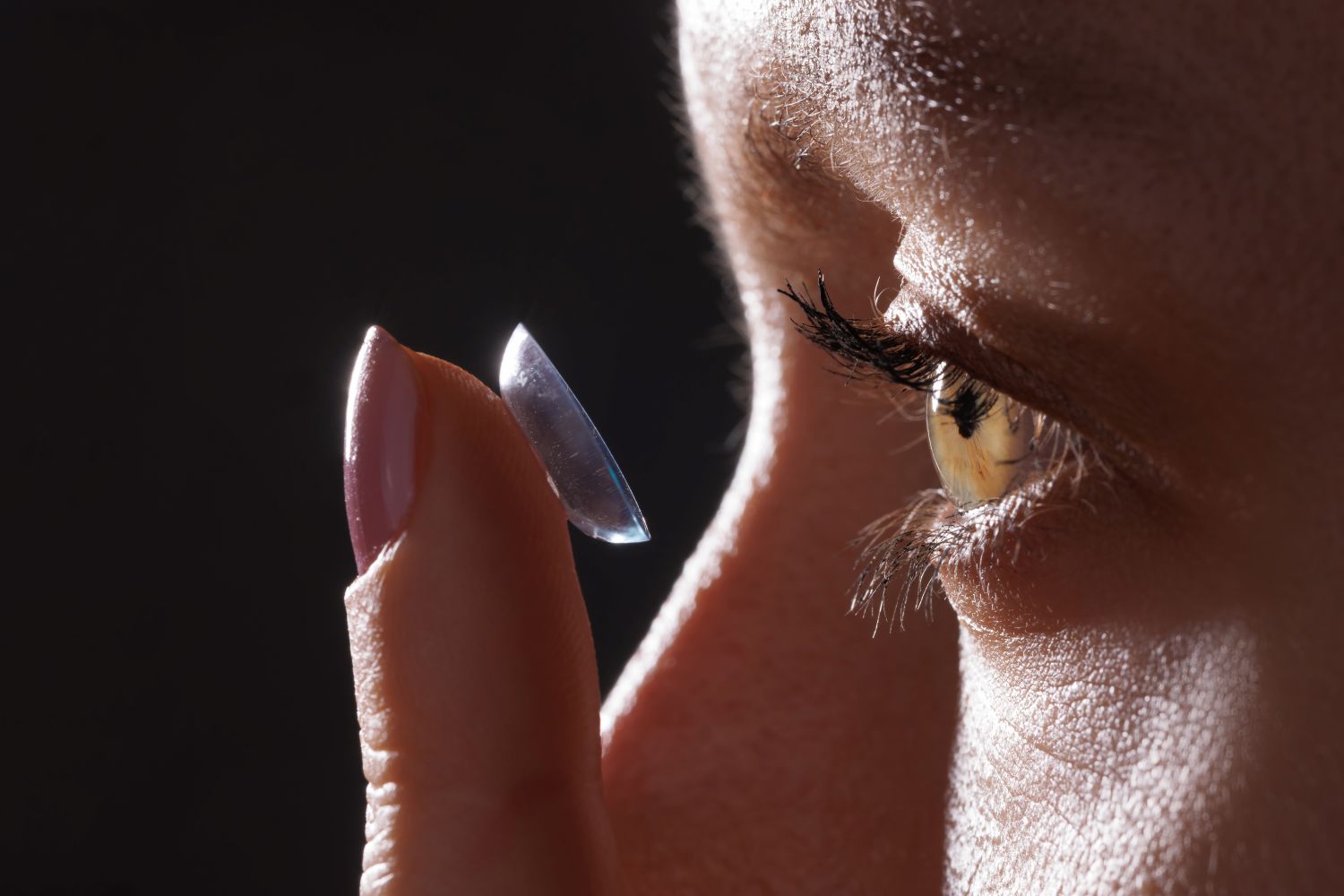
Intraocular lenses (IOLs) have revolutionized vision correction, yet the risks associated with prolonged wear often go unnoticed by patients. Understanding the hidden dangers of overstaying your welcome with these lenses is crucial, as it can lead to complications and diminished vision quality. This article delves into the intricacies of IOL use, the implications of long-term wear, and essential signs to monitor. Equip yourself with knowledge to safeguard your vision and make informed decisions about your eye health.
What Are Intraocular Lenses?
Intraocular lenses are classified into several categories, including monofocal, multifocal, and toric lenses, each specifically designed to address distinct visual requirements.
Monofocal lenses, such as the Alcon AcrySof, provide clear vision at a single distance, rendering them suitable for patients who primarily require correction for distance vision.
Multifocal lenses, exemplified by Johnson & Johnson’s Symfony, facilitate vision at multiple distances, thereby minimizing the need for reading glasses.
Toric lenses, such as Bausch + Lomb’s Crystalens, are specifically designed to correct astigmatism while also providing focus for distance vision.
When selecting the appropriate lens type, it is essential to consider one’s daily activities and consult with an eye care professional to ensure that the chosen lens aligns with individual lifestyle needs.
Common Uses and Benefits
Intraocular lenses (IOLs) are primarily utilized in cataract surgery to correct vision impairments such as myopia and hyperopia, thereby enhancing patients’ overall quality of life.
For instance, a study involving 100 patients who received premium intraocular lenses demonstrated a notable improvement in visual acuity, with many achieving 20/25 vision post-surgery. Patients reported a reduced reliance on corrective eyewear, allowing them to engage in activities such as reading and driving without the need for glasses.
Innovations such as the Alcon Acrysof Restor IOL enhance both near and distance vision, while the Johnson & Johnson Symfony lens offers an extended depth of focus. These advancements facilitate customized solutions, ensuring improved comfort and clarity in patients’ daily lives.
Understanding Long-Term Wear
Comprehending the long-term wear of intraocular lenses is essential for ensuring optimal eye health and preventing potential complications over time.
Duration of Lens Use
Patients are strongly advised to closely monitor the duration of their lens usage, with a typical recommendation for long-term wear ranging from 10 to 15 years, depending on the type of lens employed.
To optimize the lifespan of contact lenses, patients should consider several key factors.
- First, proper cleaning is essential; utilizing a high-quality multipurpose solution is effective in preventing the accumulation of deposits.
- Second, it is imperative to adhere to the recommended replacement schedule: daily disposable lenses are designed for single use, whereas monthly lenses should be replaced every 30 days.
- Additionally, eye care routines-such as minimizing the use of makeup and avoiding exposure to water-can significantly influence the durability of the lenses.
Statistics indicate that patients who comply with these recommendations may experience up to 30% greater lens longevity, emphasizing the critical importance of maintaining good practices.
Patient Compliance and Monitoring
Patient compliance is critical for maintaining the effectiveness of lenses, as studies indicate that approximately 30% of patients do not attend follow-up visits.
To enhance compliance, it is advisable to implement several effective strategies. One such strategy is the use of reminders through tools like MyChart, which can facilitate notifications for upcoming appointments.
Regular check-ups, at least on an annual basis, are essential to ensure that patients remain aligned with their vision care. Additionally, providing educational resources-such as informational pamphlets or online videos focused on lens care-can significantly improve patient understanding and commitment.
These approaches foster a supportive environment that encourages patients to prioritize their eye health.
Potential Risks of Overstaying
Prolonged use of intraocular lenses may result in a range of complications, which can considerably affect ocular health and visual outcomes.
Increased Risk of Complications
Complications arising from the extended wear of contact lenses may include corneal edema, infections, and lens migration, all of which necessitate immediate medical attention.
Corneal edema is observed in approximately 5% of patients who exceed the recommended duration for lens wear. Infections, which can escalate if left untreated, occur in roughly 1 in 500 extended wear cases. Additionally, lens migration may present as discomfort or vision disturbances.
To mitigate the risk of these complications, it is imperative to adhere strictly to prescribed wearing schedules, thoroughly cleanse lenses using appropriate solutions such as Biotrue or OPTI-FREE, and attend regular eye examinations.
Should any unusual symptoms arise, it is crucial to consult an eye care professional without delay to prevent potential serious damage.
Impact on Vision Quality
Prolonged use of contact lenses can result in decreased vision quality, leading to symptoms such as blurred images, photophobia, and chronic eye irritation.
These conditions can significantly affect daily activities; for example, studies indicate that 60% of contact lens users report experiencing blurred vision at some point, particularly after extended periods of use. Such impairment can impede essential tasks, including driving or working on a computer, thereby contributing to increased eye strain. Additionally, many individuals frequently experience photophobia, which can render outdoor activities uncomfortable.
To address these concerns, it is advisable to implement regular breaks following the 20-20-20 rule: every 20 minutes, individuals should shift their focus to an object 20 feet away for a duration of 20 seconds.
Moreover, maintaining proper lens hygiene and adhering to recommended wear times are essential practices to preserve visual health.
Signs You May Be Overstaying
Recognizing the signs of overstaying is essential for the preservation of ocular health and the prevention of serious complications.
Physical Symptoms to Watch For
Symptoms such as ocular discomfort, chronic irritation, and inflammation are significant indicators that the duration of lens wear may be excessive.
Plus these symptoms, individuals may also experience redness, excessive tearing, or sensitivity to light. These reactions are often a result of insufficient oxygen reaching the cornea due to extended wear of contact lenses.
If these symptoms occur frequently, it is imperative to reassess lens usage and seek advice from an eye care professional to prevent potential damage to the eyes.
Implementing regular breaks from lens wear, adhering to recommended wear schedules, and maintaining proper lens hygiene can substantially alleviate these discomforts and enhance overall eye health.
Changes in Vision
Any noticeable change in vision, such as sudden blurred vision or difficulty seeing at night, should prompt immediate consultation with an eye care professional.
Common vision changes include presbyopia, which typically occurs around the age of 40 and results in difficulty focusing on close objects. Another significant condition is astigmatism, where the irregular shape of the cornea leads to distorted vision. It is noteworthy that approximately 25% of patients may experience substantial changes after wearing contact lenses for an extended period.
Several factors can influence these changes, including underlying health conditions such as diabetes, dry eye syndrome, or prolonged screen time. Regular eye examinations are essential for monitoring these conditions and implementing appropriate corrective measures, thereby ensuring optimal vision health.
Management and Prevention Strategies
Effective management and prevention strategies can considerably mitigate the risks associated with prolonged use of intraocular lenses.
Regular Check-Ups
Regular check-ups, ideally conducted every 6 to 12 months, are essential for monitoring lens status and overall eye health. During these appointments, patients can expect a comprehensive eye examination that includes vision tests, intraocular pressure assessments, and evaluations of lens health.
Eye care professionals play a pivotal role in this process by clearly explaining the findings and addressing any concerns, thereby enhancing patient comprehension.
For example, if signs of lens wear are identified, eye care professionals may recommend advancements in lens technology or additional treatment options. The use of advanced tools, such as digital imaging, can assist in visualizing changes over time, thereby enableing patients to make informed decisions regarding their eye care regimens.
Lens Replacement Guidelines
It is advisable to consider the replacement of intraocular lenses every 10 to 15 years, contingent on the type of lens used and the specific circumstances of the patient.
Indicators that suggest the necessity for lens replacement include a significant decline in visual clarity, an increase in glare or halos around lights, and challenges with night vision.
To adequately prepare for the surgery, it is essential to consult with an ophthalmologist to discuss the individual’s specific condition and determine the most appropriate lens option.
The typical costs associated with lens replacement procedures range from $3,000 to $5,000 per eye, depending on the facility and whether advanced technology lenses are employed. It is prudent to verify coverage details with your insurance provider, as certain expenses may be partially covered.
Summary of Key Points
Key takeaways emphasize the significance of regular monitoring, adherence to follow-up care, and awareness of the risks associated with lens wear. To ensure optimal lens care, the following actionable steps are recommended:
- Schedule regular check-ups with your eye care professional every 6 to 12 months to monitor any changes in vision or lens wear.
- Maintain proper hygiene by thoroughly washing your hands prior to handling lenses and storing them in a clean case with fresh solution.
- Educate yourself about potential risks, such as complications associated with extended wear, by consulting reliable resources, including the CDC’s website.
- Monitor wearing schedules by utilizing apps such as `Lenswear’ to receive reminders for lens replacement.
Final Recommendations
For optimal ocular health, it is imperative that patients adhere to the recommendations provided by their healthcare providers regarding lens wear and replacement schedules.
Regular assessments of vision are essential. Patients should schedule check-ups at least once a year to ensure that their lenses remain suitable for their evolving vision needs.
If there is discomfort or blurred vision, it is advisable to promptly contact an eye care professional. Additionally, maintaining a record of any changes in vision can assist the doctor in making informed recommendations.
Utilizing tools such as the Amsler grid at home can aid in monitoring potential issues, facilitating proactive management of eye health.